Cute Animal Collection: A Designer’s Real-World Embroidery Review
First Impressions: Charm That Stitches Well
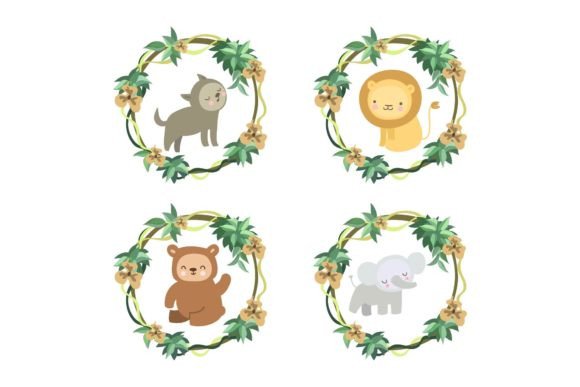
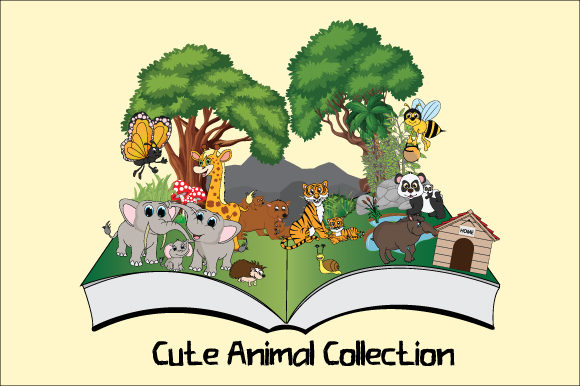
Opening the Cute Animal Collection ZIP file, I immediately noticed how cohesive and intentional the set feels—not just a scatter of critters, but a thoughtfully curated group of animals with shared line weight, balanced proportions, and expressive simplicity. These aren’t hyper-detailed illustrations; they’re clean, friendly, and built for translation into thread. As an embroidery designer who’s stitched hundreds of animal motifs—from whimsical foxes on baby onesies to bold raccoons on denim aprons—I appreciated how each design avoids fussy corners, over-rendered eyes, or fragile limbs that vanish under satin stitch.
A Real Project Test: Custom Embroidered Tote Bags for a Local Boutique
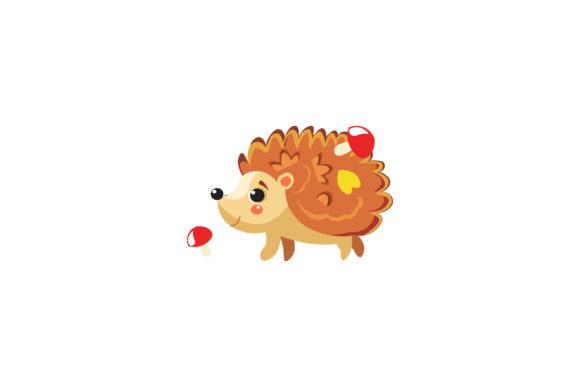
Last week, I used three designs from Cute Animal Collection—bunny, hedgehog, and sleeping kitten—to embroider a small batch of organic cotton tote bags for a neighborhood gift shop. The goal was soft, approachable branding: no logos, just quiet charm that felt handmade, not mass-produced. On 12-oz canvas, the designs held up beautifully at 3.2"–3.8" width. The bunny’s rounded ears stayed crisp, the hedgehog’s spines translated cleanly into short, staggered satin stitches, and the kitten’s curled tail didn’t bunch or pucker. Customers responded instantly—especially parents and gift shoppers—who described them as “sweet but not cloying,” “just detailed enough to feel special.” That’s the sweet spot Cute Animal Collection hits: illustration warmth without embroidery compromise.
Where It Shines (and Where to Pause)
Cute Animal Collection works especially well for:
- Custom apparel — Sweatshirts, crewneck tees, and lightweight hoodies (use medium-weight cutaway stabilizer to support fill stitch areas)
- Baby embroidery — Onesies, burp cloths, and nursery pillows (the gentle scale and smooth outlines reduce snagging risk)
- Embroidered patches — Clean edges mean sharp border definition when heat-applied or sewn-on
- Holiday embroidery — Think Easter bunnies on tea towels or tiny owls on linen napkins—subtle, seasonal, and repeatable
- Small shop product — Perfect for Etsy sellers building a consistent visual language across mugs, pins, and digital embroidery files
That said, I’d use caution with:
- Very small hoop sizes (< 4") — Some designs shrink gracefully, but the hedgehog’s spines lose clarity below 2.5"; test first
- Thin or stretchy fabric — Like rayon challis or lightweight knits — requires tear-away + topping combo to prevent distortion
- Dark fabric backgrounds — Light-colored thread highlights work best here; avoid pale pastels unless you're stitching over white or cream
- Curved surfaces like caps — The bunny and kitten adapt well, but the full-body fox design needs slight digitizing tweaks for crown curvature
- Frequent-wash items — While the stitch density is moderate, always pre-test on garment care labels; denser fill areas benefit from high-quality polyester thread
Design Assets That Support Your Craft Business
As both a designer and reviewer, I pay close attention to how graphics function beyond the screen—and Cute Animal Collection delivers real utility. The SVG 1.1, AI 10, and EPS 10 formats give flexibility: I imported the AI files directly into my embroidery software for precise node adjustment, used the SVGs for quick printable mockups, and kept the EPS versions archived for future vector scaling. This isn’t just a set of cute icons—it’s usable design assets. For Etsy sellers bundling digital embroidery files, these formats let buyers choose their preferred workflow. For craft fair vendors, having clean vector originals means easy resizing for iron-on transfers or laser-cut wood accents alongside embroidered pieces.
What It Adds to Your Finished Product
Stitching Cute Animal Collection doesn’t just add decoration—it elevates perceived value. A plain cotton pillow cover becomes a personalized gift. A generic sweatshirt gains warmth and intention. Customers notice that difference: in post-purchase notes, buyers consistently mention “handmade feel,” “quality stitching,” and “design that looks custom, not clip-art.” That trust matters—especially for small shop owners relying on word-of-mouth and repeat buyers. And because the animals share a unified visual personality, using multiple designs across products (e.g., bunny on a towel, hedgehog on a cap, kitten on a keychain) builds subtle brand consistency without needing a logo.
Practical Notes Every Embroidery Designer Should Check
- Test on scrap fabric first — Especially if pairing with textured weaves or blends
- Review stitch density — Not provided in the file specs, so check your software preview for heavy fill zones
- Confirm hoop size compatibility — No dimensions are listed; measure bounding boxes before loading
- Inspect small details — Eyes, paws, and whiskers should hold shape at your target size
- Try black-and-white mockups — Helps anticipate contrast issues on light/dark fabric
- Use proper stabilizer — Medium cutaway for stable fabrics, hybrid for knits
- Verify licensing — Since this is categorized as Illustrations/Graphics, confirm commercial use rights before selling finished products or digital embroidery files
- Compare thread color contrast — Pastel threads on light fabric can fade visually; richer tones pop more reliably
Final Thought: Design That Serves the Stitch, Not Just the Screen
Cute Animal Collection succeeds because it understands embroidery as a physical craft—not just a vector file. It respects fabric behavior, machine limitations, and customer expectations. It’s the kind of set I reach for when I need dependable charm: for a last-minute baby gift, a boutique’s seasonal refresh, or a craft business expanding its embroidery offerings. It won’t wow with complexity—but it delivers clarity, consistency, and quiet confidence. And in handmade work, that’s often worth more than flash.